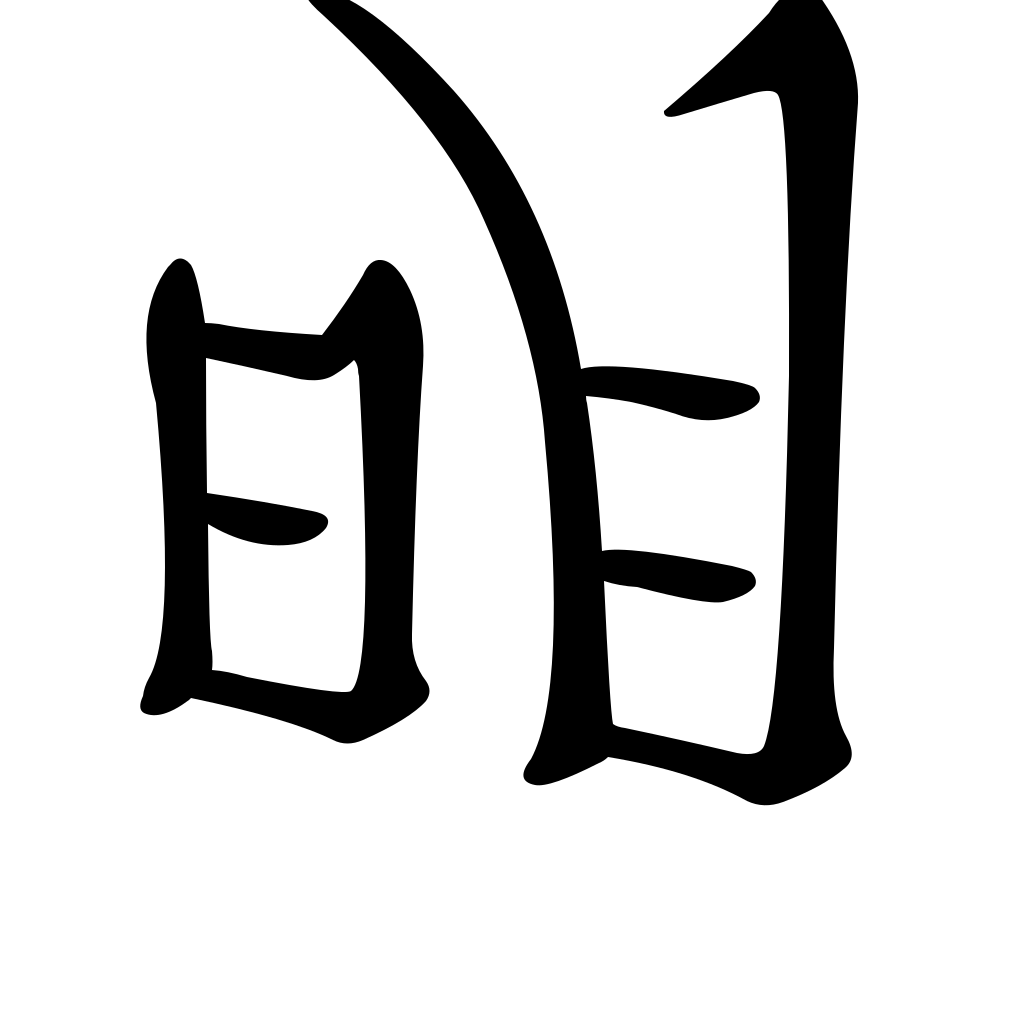
明 (míng), meaning "bright" or "clear," elegantly combines the sun (日) and moon (月) to represent illumination from both the greatest celestial bodies—the most luminous pair in the ancient sky. This poetic pairing has remained unchanged from its bronze inscription origins through to modern Simplified Chinese, where it now appears in hundreds of words from 明天 (tomorrow) to 聪明 (intelligent) to 发明 (to invent). The character captures something fundamental about how the Chinese imagined clarity and light: not from one source alone, but from the combined brilliance of day and night.